A Salt Lake City Living Guide to the Urban Core
May 14, 2026
May 14, 2026
City living in Salt Lake City can look very different from one block to the next. You might picture coffee runs and walkable errands, quick transit trips, historic streets, or easy access to trails and parks, and the urban core brings all of those together in one compact part of the city. If you are thinking about moving here or simply want a better feel for day-to-day life, this guide will help you understand how the area functions, what housing looks like, and what kind of routine it supports. Let’s dive in.
Salt Lake City’s urban core is best understood as a collection of connected districts rather than one single neighborhood. It includes Downtown, Central City, Capitol Hill, the Avenues, City Creek and Memory Grove, South Temple, Marmalade, Exchange Place, and the Granary and Central Ninth edge.
That mix gives the area a layered feel. You have older residential streets, civic buildings, historic commercial blocks, and newer mixed-use development all within a relatively tight area. In Exchange Place, for example, the city describes the district as Salt Lake City’s second major commercial center and home to some of Utah’s first skyscrapers.
For you, that means everyday living can shift quickly by location. One part of the urban core may feel more residential and historic, while another feels more active, commercial, and transit-connected.
One of the biggest reasons people choose the urban core is flexibility. You are not required to live car-free, but you do have more options to mix walking, biking, transit, and driving into your day.
According to the city’s existing conditions report, Downtown has a Walk Score of 87 and Bike Score of 85. Central City also posts a Walk Score of 87, with an even higher Bike Score of 91. Capitol Hill and the Greater Avenues score lower, but they still function as urban neighborhoods with better access than many car-dependent areas.
If your goal is to handle more of life on foot, Downtown and Central City offer some of the strongest pockets for that lifestyle. You can often combine errands, dining, transit access, and public spaces in the same trip, which changes how the day feels.
That said, Salt Lake City’s wide streets, long blocks, and separated land uses can still make some trips feel longer than expected. Even in an urban area, walkability is strongest in certain pockets rather than uniformly across every block.
UTA’s TRAX system plays a major role in the urban core. The Green Line runs to the airport, and the Red Line runs to the University of Utah, which can be a major plus if your routine includes either destination.
The Hive Pass adds even more flexibility. It includes FrontRunner, TRAX, the S-Line, UTA On Demand, bus service, and a GREENbike membership. Part of downtown also operates as a Free Fare Zone for TRAX and buses, which makes short local trips simpler.
Urban living here does not mean giving up your car. Downtown Alliance notes that the core has more than 32,000 parking spots, metered street parking is $3.50 per hour, and Sunday meter parking is free.
That balance matters if you want a more urban routine without fully changing how you move around. You can walk or take transit for some trips and still keep driving as part of your week.
A common misconception is that downtown Salt Lake City is mainly a workday destination. In reality, everyday living in the urban core includes food shopping, public spaces, local events, and regular neighborhood routines.
The city’s Main Street Promenade Study points toward a more pedestrian-oriented future on Main Street, with a year-round vision for walking, dining, shopping, relaxing, and attending events. That reflects a broader shift in how the core is used, with more emphasis on street-level life.
The urban core has a steady market rhythm that can become part of your routine. Salt Lake City lists the Downtown Summer Farmers Market at Pioneer Park, the New Roots Farmers Market at 400 West, and the Central 9th Night Market among in-city food markets.
The city also notes that SNAP and Double Up Food Bucks are accepted. For residents, that adds another layer of convenience and access for local food shopping.
Day-to-day life here also overlaps with places that give the core its identity. District 3 highlights Temple Square, the State Capitol, Memory Grove, the Cathedral of the Madeleine, City Creek Canyon, and neighborhood shops and businesses as part of the landscape.
That matters because it makes the urban core feel more varied than a typical business district. You are living near parks, public buildings, historic streets, and local gathering spots, not just offices and retail.
One of the more appealing parts of life in Salt Lake City’s urban core is how quickly you can get to green space. If you want a more connected city lifestyle without losing outdoor access, this part of the city offers a strong balance.
Liberty Park is one of Utah’s largest and most visited urban parks. The park covers 100 acres and includes space for walking, jogging, biking, and access to Tracy Aviary.
City Creek Canyon and Memory Grove add another layer of outdoor access near the core. The area includes a 1.2-mile shared-use path into the canyon and a 5.8-mile paved canyon road north of Bonneville Boulevard.
For some buyers, that is a major lifestyle advantage. You can build a routine around work, errands, restaurants, and transit while still keeping quick access to trails, park space, and foothill views.
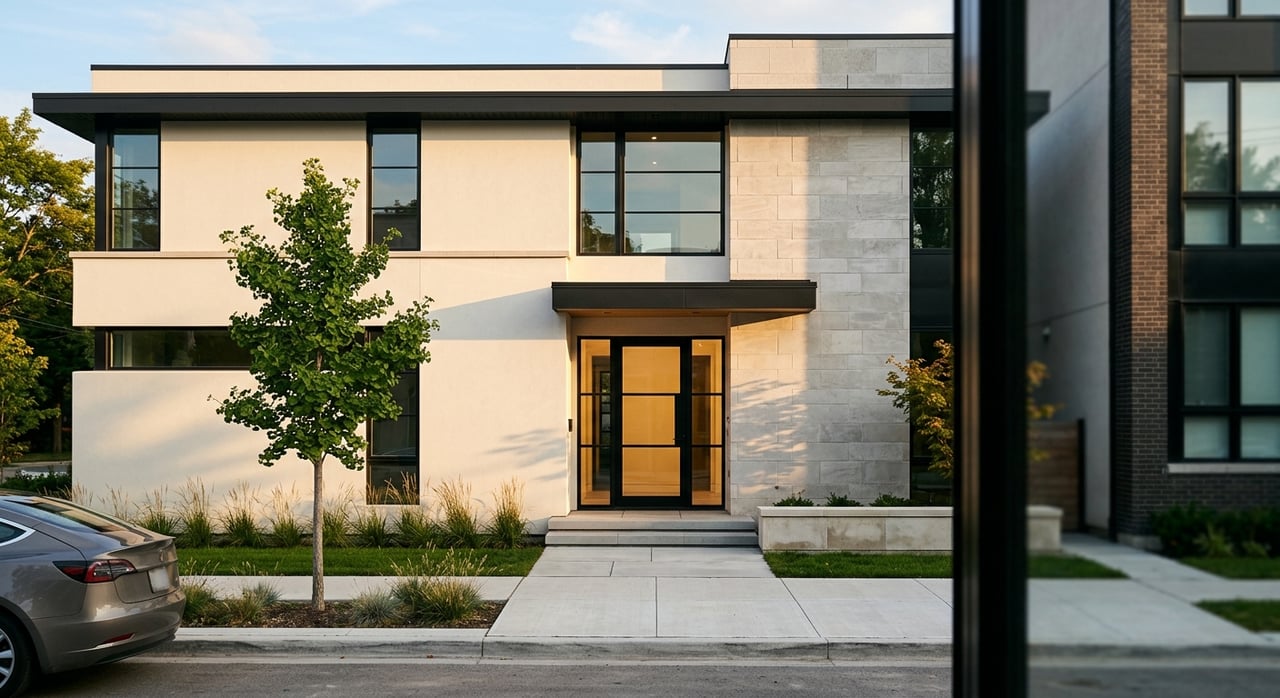
If you are home shopping in Salt Lake City’s urban core, one of the first things you will notice is how much the housing stock changes from area to area. This is not a one-style market.
Some streets are defined by historic homes and architectural detail. Others are shaped by apartments, lofts, mixed-use buildings, or converted houses. Your experience will depend heavily on which section of the core fits your priorities.
The Avenues is one of Salt Lake City’s oldest and most important residential districts. The city notes that it includes more than 100 architect-designed homes in styles ranging from Queen Anne to Prairie Style.
Capitol Hill is the city’s oldest surviving residential area. Its housing includes everything from large mansions to smaller workmen’s cottages, which creates a broad mix of scale and style.
South Temple is known as a stately residential boulevard lined with major architectural work and mansions. Marmalade, by contrast, is a largely pre-1930 neighborhood with steep, narrow streets and a wide variety of structures.
Central City adds yet another layer. It blends single-family homes, apartment complexes, converted houses, and commercial or office spaces, which can appeal if you want a more flexible and mixed urban setting.
Newer housing in the urban core often comes through redevelopment rather than traditional subdivision growth. Projects like Paperbox Lofts added 195 apartment homes downtown, while The Aster added 190 residential units along with commercial space.
The Fleet Block and Parry Block efforts also show continued city and redevelopment investment in mixed-income housing, services, retail, public space, and better pedestrian connections. In practical terms, that means buyers and renters may see more modern inventory near the downtown edge and Central Ninth or Granary areas over time.
Architectural character is a big draw in several urban-core neighborhoods, but it can come with added responsibilities. Salt Lake City’s local historic districts require design review for exterior changes and demolition.
If you are considering a home in the Avenues, Capitol Hill, Central City, City Creek and Memory Grove, South Temple, or a similar district, it is important to understand that renovation flexibility may be different than in other parts of the city. The tradeoff is often stronger historic character and a more distinct streetscape.
For many buyers, that is a worthwhile balance. You get a neighborhood with visible character and long-standing identity, but you also want to go in with clear expectations.
Salt Lake City’s urban core tends to fit people who want a more connected routine. You may value being close to transit, parks, restaurants, civic spaces, and older architecture, or you may simply want more variety in how you spend your time and move through the city.
It can also be a strong fit if you want housing choices beyond a typical suburban pattern. The area offers historic houses, cottages, apartments, lofts, and mixed-use residential options, often within a short distance of each other.
The best fit usually comes down to your priorities. If you want quick errands, stronger bike access, nearby trails, and a home with character or urban convenience, the core deserves a close look.
Because the urban core includes so many distinct pockets, your home search can benefit from a more block-by-block approach. Two properties with the same price point may offer very different tradeoffs in parking, transit access, renovation rules, street feel, or proximity to parks and commercial activity.
That is where steady guidance makes a difference. Whether you are comparing a historic home in the Avenues, a condo near Downtown, or a newer option on the Central Ninth edge, having a clear picture of the lifestyle behind the listing helps you make a more confident choice.
If you want help narrowing down the right fit in Salt Lake City’s urban core, Orson Whitmer offers a low-pressure, informed approach with clear communication, neighborhood insight, and practical guidance every step of the way.
Stay up to date on the latest real estate trends.
His in-depth knowledge of the area is a valuable asset. He can guide you to the right neighborhoods, uncover hidden gems, and help you find the perfect property that aligns with your unique needs.