Smart Ways Farmington Sellers Can Prep To List
June 4, 2026
June 4, 2026
If you want to sell for a strong price in Farmington, prep matters more than most homeowners think. Buyers are often comparing your home online before they ever step through the front door, and in a market where homes may take about a month or more to sell, first impressions can shape everything from showing activity to negotiation strength. The good news is that you do not need a massive remodel to make smart progress. With the right plan, you can focus on the updates, documents, pricing, and timing that actually help your home stand out. Let’s dive in.
Farmington offers a mix of convenience and lifestyle appeal that many buyers notice right away. The city highlights access to work opportunities, shopping, entertainment, mountains, hiking and biking trails, wetlands, Lagoon, and Station Park, so buyers may be evaluating both the home and the day-to-day lifestyle it supports.
That makes preparation especially important. Your home needs to feel clean, well cared for, and easy to picture living in from the first photo onward. When buyers are comparing several homes in the same area, strong presentation can help your listing feel more compelling.
Spring 2026 data also points to a market that is active but not automatic. Redfin reported a median sale price of $639,670 and median days on market of 34 in Farmington through April 2026, while Realtor.com reported 41 median days on market in March 2026 and noted homes were selling about 4.44% below asking on average. That does not mean you cannot sell well, but it does mean thoughtful prep and pricing matter.
One of the smartest ways to prep is to get clear on value before you spend money on improvements. Broad county averages and online estimates can be useful as a rough reference, but they cannot fully account for your home's exact condition, updates, lot, location, and recent comparable sales in Farmington.
A fresh comparative market analysis helps you decide what matters most before listing. It can guide whether you should keep prep simple, complete a few targeted updates, or adjust your expected timeline. It also helps you avoid overpricing, which can reduce showing activity quickly in a market where buyers appear price-sensitive.
Most sellers do not need a full renovation. The most helpful improvements are often the most practical ones because they make the home feel brighter, cleaner, and easier for buyers to understand.
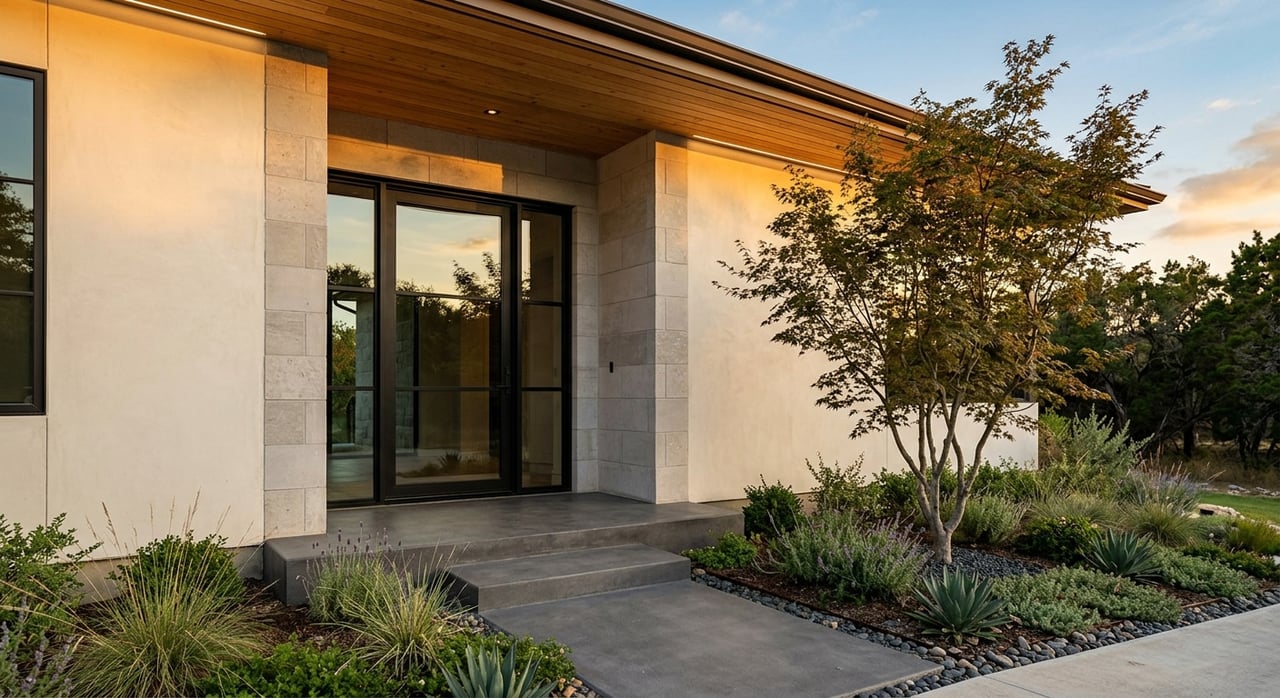
According to guidance cited in the research, common high-impact prep steps include interior painting, bathroom updates, kitchen updates, landscaping, front entrance improvements, and general cleaning. These are usually more useful than taking on a long, expensive project right before you list.
A smart first-round checklist includes:
These changes can improve both in-person showings and listing photos. That matters because buyers often decide which homes to save, share, or tour based on what they see online first.
Staging does not always mean renting a truckload of furniture. In many cases, it means editing what is already there so rooms feel open, calm, and functional.
That step can make a real difference. The research report notes that 83% of buyers’ agents said staging made it easier for buyers to visualize the home as their future home. Even light staging or careful furniture placement can help buyers focus on the space instead of your stuff.
As you prep each room, ask yourself a simple question: does this room clearly show its purpose? If the answer is no, simplify it. A dining area, office nook, bedroom, or bonus room should read clearly in both photos and showings.
Online presentation is not the final step. It is part of the prep process from the start. If your home is not photo-ready before marketing begins, you risk launching with weaker first impressions and missing early momentum.
The research shows that 81% of buyers rated listing photos as the most useful feature in their online home search. That means your listing should go live only after the home is fully cleaned, decluttered, and visually ready.
Before photography, focus on these final details:
In a place like Farmington, where buyers may care about convenience, setting, and lifestyle as much as square footage, polished photos help your home make a strong first impression.
A pre-sale inspection is optional, but it can be a smart move if you want fewer surprises later. It may uncover issues with the roof, structure, plumbing, electrical systems, HVAC, insulation, fireplaces, or other major components before a buyer does.
That gives you more control. You may choose to repair an issue, gather estimates, or disclose it clearly and price the home accordingly. Utah DEQ also advises early radon disclosure because suspected radon issues can create more problems if they surface late in the transaction.
For many sellers, this step helps reduce stress. Instead of reacting under deadline pressure, you can make informed decisions early and move into the listing period with a clearer plan.
A smoother listing process often starts with paperwork, not photos. Utah's standard REPC requires a written seller property condition disclosure that is completed, signed, and dated. If your home was built before 1978, a lead-based paint disclosure and acknowledgment is also required.
If your property is part of an HOA, Utah Commerce says sellers should be ready to provide:
It also helps to gather warranties, guarantees, and user manuals for appliances or systems staying with the home. These details may seem small now, but they can save time and lower stress once you are under contract.
Many sellers get better results when they start earlier than they think they need to. Research cited here suggests that homeowners who hit their pricing and timing goals often begin preparing 60 to 90 days before listing.
A practical timeline may look like this:
This kind of schedule helps you avoid rushed decisions. It also creates a better experience once showings begin.
There is no magic listing date that works for every seller. National trends may point to spring or late spring as a strong window, but the research is clear that local conditions, mortgage rates, and buyer demand matter more than a generic calendar rule.
In other words, the best time to list is when your home is fully prepared and your pricing matches current Farmington conditions. Launching too early, before the home is photo-ready or before needed touch-ups are done, can work against you.
With mortgage rates still elevated in late May 2026, buyers may be looking carefully at value and monthly payment impact. That makes smart pricing and strong presentation especially important.
Good marketing is not just about exposure. It is about helping the right buyers notice your home and understand why it fits what they want.
In Farmington, that may mean highlighting the home's condition, layout, convenience, and nearby lifestyle features in a clean, accurate way. Strong photos, a clear listing description, and targeted digital marketing can all support that effort when the home is properly prepared first.
That is why a personalized valuation matters so much at the beginning. It creates the foundation for pricing, prep priorities, and a marketing plan built around your actual property instead of a broad average.
If you are thinking about selling in Farmington, a calm plan can make the whole process feel more manageable. When you focus on the right repairs, cleaner presentation, complete disclosures, and realistic pricing, you give yourself a stronger chance to attract serious buyers and negotiate from a better position. If you want a clear next step, connect with Orson Whitmer for a personalized home valuation and a low-stress plan to get your home market-ready.
Stay up to date on the latest real estate trends.



His in-depth knowledge of the area is a valuable asset. He can guide you to the right neighborhoods, uncover hidden gems, and help you find the perfect property that aligns with your unique needs.